

Who we help
Supporting people of all ages across Suffolk, Essex and Norfolk with pelvic health, physiotherapy and rehabilitation needs.
At wellbeing that works, we support a wide range of people who may be living with symptoms that affect comfort, confidence, mobility or daily life. Whether you’re seeking pelvic health support, treatment for joint or muscle pain, sports massage or rehabilitation at home, our team provides clear guidance, evidence-based treatment and warm, reassuring care.

Women’s pelvic health patients
Pelvic health symptoms are extremely common for women, especially during pregnancy, the postnatal period, and menopause but many people aren’t told that help exists.
Common problems
- Bladder leakage, urgency or frequency (e.g., rushing to the toilet, going very often).
- Bowel symptoms such as constipation, leakage or difficulty emptying
- Pelvic organ prolapse symptoms (heaviness, dragging or a “something’s not right” sensation)
- Pelvic pain, including pain during sex (vaginismus, dyspareunia, vulvodynia)
- Pregnancy related discomfort and mobility challenges
- Postnatal recovery needs, including pelvic floor weakness and abdominal separation
- Menopause or perimenopause related pelvic floor changes

How wtw helps
- Personalised pelvic floor assessment and treatment
- Bladder and bowel retraining
- Pelvic organ prolapse management and strengthening
- Pregnancy and postnatal support, including Mummy MOT®
- Specialised sexual pain treatment using gentle, evidence-based approaches
- Tools such as vaginal dilators, pelvic wand and ultrasound assessment to guide progress
- Clear, supportive advice tailored to your life and goals
Men’s pelvic health patients
Men often live with pelvic symptoms in silence, especially after prostate treatment or pelvic surgery.
Common problems
- Urinary leakage or urgency, particularly after prostate surgery
- Pelvic pain or discomfort
- Bowel control difficulties
- Pain affecting sexual function (e.g., erectile discomfort, painful ejaculation)
- Chronic pelvic pain syndromes

How wtw helps
- Post‑prostatectomy recovery and pelvic floor rehabilitation
- Tailored strengthening and coordination exercises
- Strategies to reduce urgency and improve continence
- Pain management techniques, breathing work and manual therapy
- Supportive, private conversations about sensitive symptoms
Sports Massage Patients
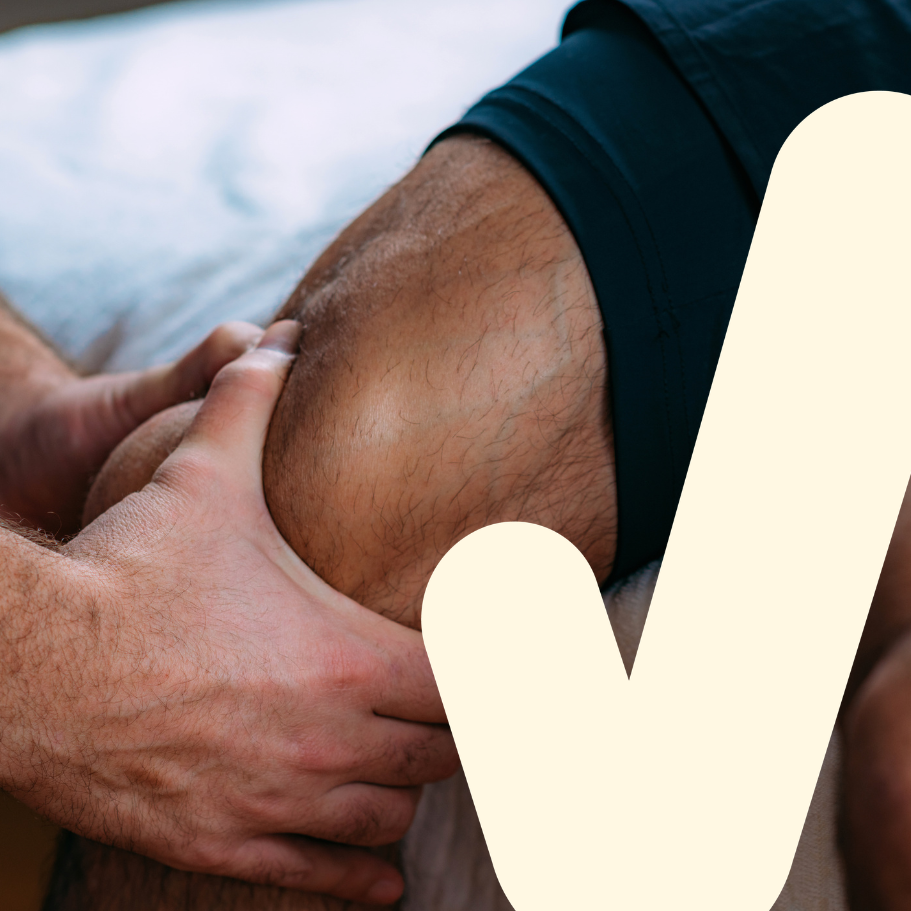
Sports massage can help ease muscular tension, support recovery and improve movement. You do not need to be an athlete to benefit.
Common problems
- Tight or aching muscles
- Soreness after exercise or sport
- Neck and shoulder tension
- Back pain or stiffness
- Tight hips, calves or hamstrings
- Reduced flexibility or mobility
- Muscle fatigue
- Repetitive strain from work or exercise
How wtw helps
- Personalised assessment based on your symptoms, activity and goals
- Hands-on soft tissue and deep tissue massage
- Trigger point release to target areas of muscular tension
- Stretching and mobility techniques
- Support with exercise and sporting recovery
- Practical movement and self-management advice
- Treatment tailored to your comfort level
- Physiotherapy assessment when symptoms are persistent or affecting daily life
People with bone, muscle or joint issues
We help people of all ages experiencing pain, stiffness or reduced movement in their joints, muscles or soft tissues.
Common problems
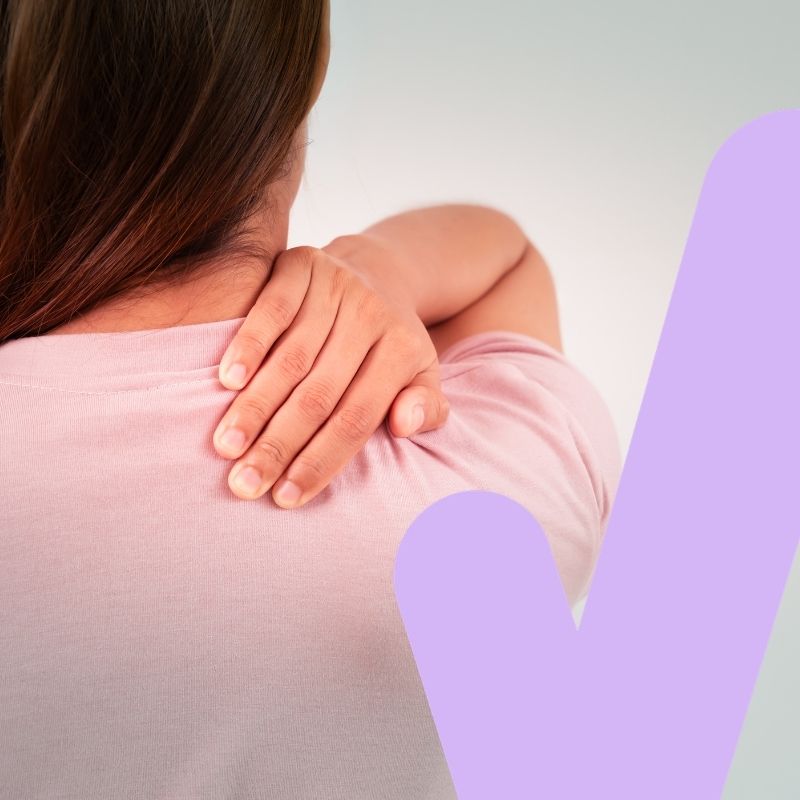
- Back, neck, shoulder, hip or knee pain
- Sports injuries
- Muscle strain or weakness
- Reduced mobility or stiffness
- Long‑term or recurring pain
- Activity related pain affecting daily tasks
How wtw helps
- Thorough assessment of movement, strength and posture
- Hands‑on therapy, strengthening exercises and mobility work
- Acupuncture or shockwave therapy (if appropriate)
- Clear guidance on how to move safely and reduce pain
- Personalised plans that build confidence, strength and long-term resilience
People recovering after illness, surgery or a hospital stay
Recovery can feel overwhelming, especially if you’ve lost strength, confidence or independence.
Common problems
- Feeling frailer or unsteady on your feet
- Reduced balance or recent falls
- Difficulty walking or getting up from a chair
- Reduced strength after illness, surgery or a hospital stay
- Decline in function in supported living or care home settings

How wtw helps
- Gentle, structured rehabilitation at home or in care settings
- Balance and strength programmes
- Functional exercises tailored to everyday activities
- Falls prevention and confidence building support
- Collaborative care with families, carers and support teams
Shockwave Therapy Patients
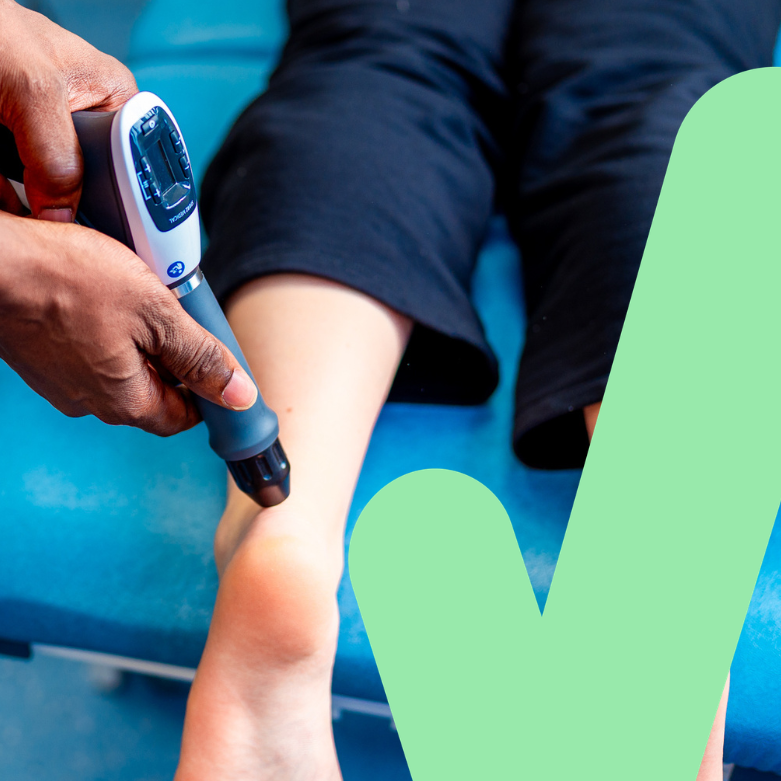
Shockwave is a non-invasive electrical treatment which helps chronic tendon problems by kick-starting the healing process. It is useful for stubborn tendon problems, but may not be suitable to all tendon problems; your physiotherapist will be able to support you in deciding the right treatment plan.
Common problems
- Plantar fasciitis and ongoing heel pain
- Achilles tendinopathy
- Patellar tendinopathy, sometimes called (jumper’s knee)
- Proximal hamstring tendinopathy
- Gluteal tendinopathy and greater trochanteric pain syndrome (GTPS)
- Persistent tendon or soft tissue pain
- Pain during exercise or physical activity
- Localised tenderness around a tendon
- Discomfort that keeps returning
- Pain affecting walking, work or sport
- Ongoing soft tissue irritation
- Symptoms that have not improved with physiotherapy or other treatment
How wtw helps
- Assessment by a trained physiotherapist
- Advice on whether shockwave therapy is suitable for you
- Treatment tailored to your condition and comfort
- Shockwave therapy applied to the affected area
- Adjustable treatment intensity
- Activity and recovery advice following treatment
- Exercise and rehabilitation guidance
- Ongoing monitoring of your symptoms and progress
People looking to stay active & independent
We support people who want to maintain independence, mobility and confidence for as long as possible.
Common problems
- Reduced activity levels
- Feeling less steady or more anxious about falling
- General weakness or loss of fitness
- Difficulty keeping up with day-to-day tasks
How wtw helps
- Strength and conditioning tailored to age and ability
- Confidence building movement guidance
- Falls prevention and home‑based exercise programmes
- Support in supported living, care homes or at home
People seeking at home or community based physiotherapy
Some people prefer (or need) treatment in their own environment.
Common problems
- Difficulty travelling to clinics
- Complex health needs requiring familiar surroundings
- Need for practical, functional support in the home
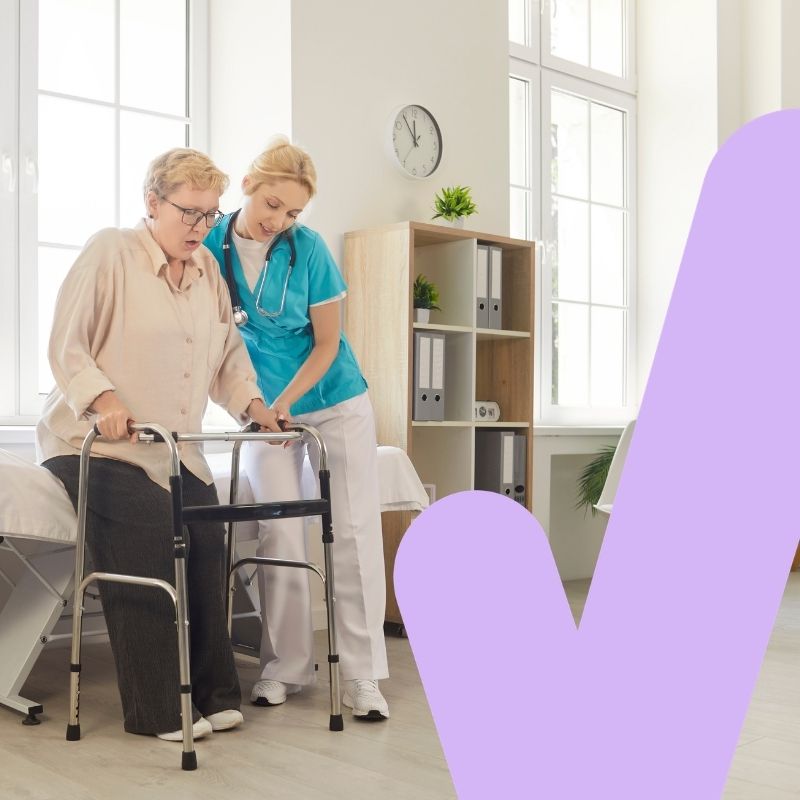
How wtw helps
- Physiotherapy delivered directly at home, in care homes, or within supported living
- Programmes designed around daily tasks (e.g., getting out of bed, transferring, walking safely)
- Collaborative work with carers and support teams
- A flexible, accessible option for people who need it most