

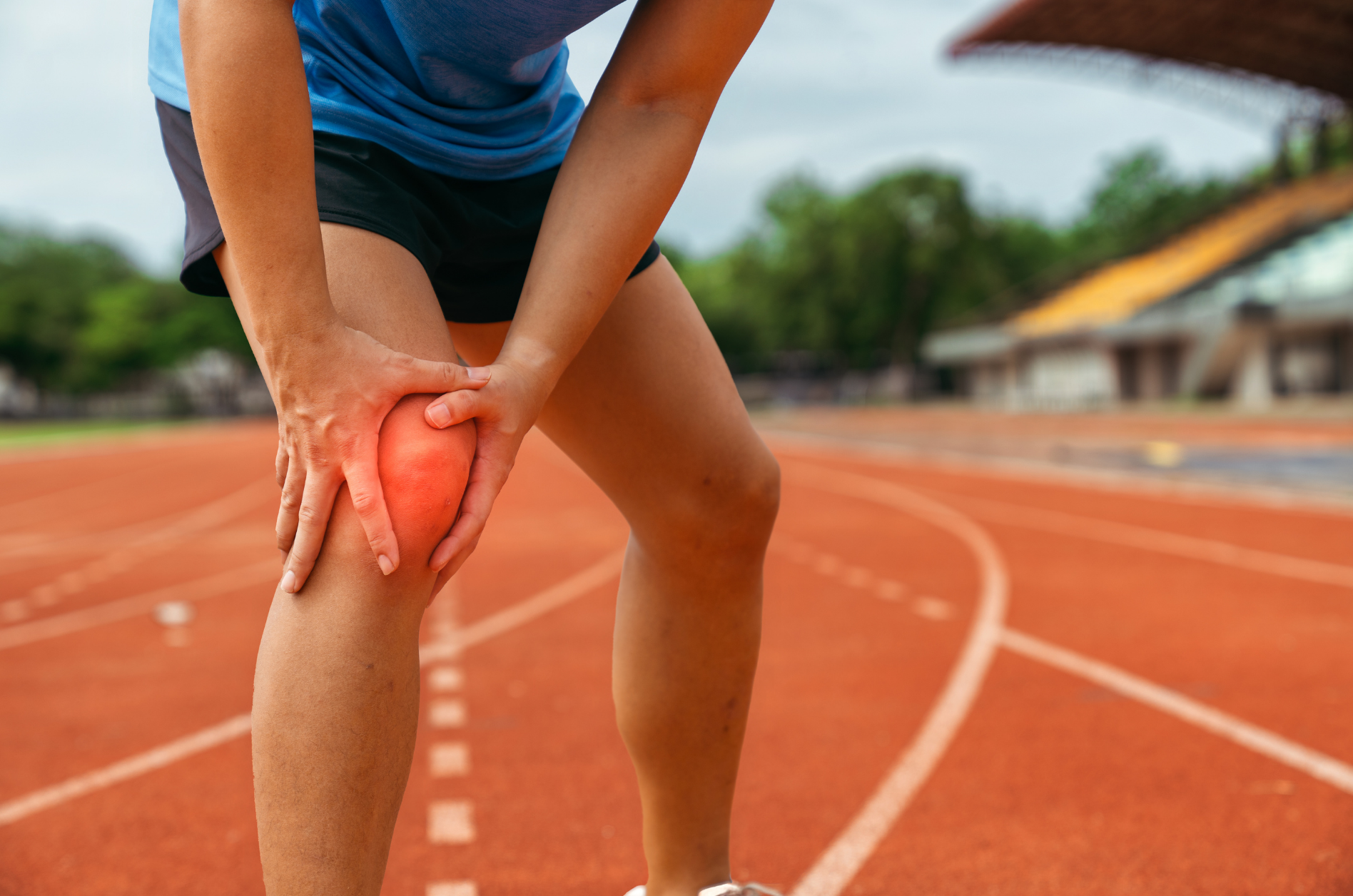
Anterior Cruciate Ligament (ACL) Injuries… we’ve all heard of them, but what are they and how are they managed?
An anterior cruciate ligament (ACL) injury is a common knee injury, particularly in athletes
participating in high-intensity, dynamic, and multidirectional sports such as football, rugby,
basketball, netball, and skiing.
The ACL is one of the major ligaments within the knee joint. It sits centrally inside the knee and
connects the femur (thigh bone) to the tibia (shin bone). Its primary role is to provide stability
by preventing excessive forward movement of the tibia relative to the femur and controlling
rotational movements of the knee.
An ACL injury can range from a partial tear to a complete rupture. It commonly occurs during
non-contact movements such as cutting, pivoting, or rapidly changing direction, where the knee may
twist or collapse inward. It can also occur through forced hyperextension of the knee or sudden
stopping and deceleration.
Typical symptoms
● Immediate pain in the knee
● Rapid swelling (often within the first few hours)
● A popping sensation or sound at the time of injury
● Difficulty continuing activity
● A feeling of the knee giving way or instability
● Reduced confidence in loading or moving the knee
Diagnosis
An ACL injury can often be identified through a detailed subjective and objective assessment by one
of our expert physiotherapists, including validated clinical tests to assess knee stability.
If the diagnosis remains unclear, or if further investigation is required, an MRI scan may be
recommended to assess the extent of the injury and identify any associated injuries.
ACL injury management… Does everyone need surgery?
Current evidence suggests that an ACL tear does not always require surgery. The best management
approach depends on the individual, including their symptoms, knee stability, lifestyle, and
sporting goals.
Conservative management (rehabilitation without surgery) can be successful for many people,
particularly those who do not experience ongoing instability or who do not need to return to
high-demand pivoting sports.
Rehabilitation focuses on:
● Restoring knee movement and reducing swelling
● Building strength in the quadriceps and surrounding muscles
● Improving balance, coordination, power and motor control
● Gradually returning to activity and sport
ACL reconstruction surgery may be recommended for individuals who experience repeated episodes of
the knee giving way or wish to return to sports involving cutting, pivoting, and rapid changes of
direction.
Regardless of whether surgery is required, high-quality rehabilitation is essential to restore
strength, confidence, and function.
If you have suffered an ACL injury, book an assessment with one of our expert physiotherapists. We
can help guide you through the most appropriate management
approach and create a tailored rehabilitation plan to support your recovery.
Author: Liam Belton, Senior Physiotherapist. HCPC Registered PH138199
Disclaimer: The information provided is for general guidance only and is not a substitute for individual assessment or clinical advice. Please consult a qualified health professional for personalised care.